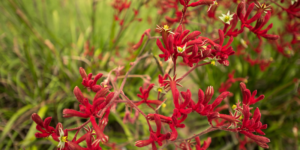
Recognising Stella Taylor, NRCL’s first female president
The Natural Resources Conservation League (NRCL) is delighted to announce that the Stella Taylor Wetlands in Cranbourne West has been gazetted, recognising the remarkable contribution of NRCL’s first female President and a pioneer of community-led environmental conservation in Victoria. This is a significant milestone for NRCL and the Taylor family, ensuring Stella’s legacy of environmental stewardship and leadership is remembered for generations to come.
Celebrating a pioneer of conservation
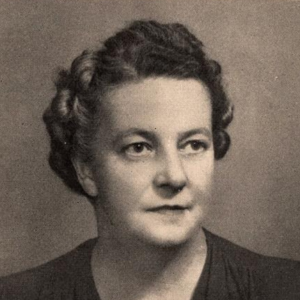
Stella Elaine Taylor dedicated 16 years of service to the Save the Forests Campaign Council and the Natural Resources Conservation League between 1947 and 1963. Representing the Country Women’s Association of Victoria (CWA), Stella became actively involved in the conservation movement during a formative period in Victoria’s environmental history.
In September 1948, Stella made history by becoming the first female President of the Save the Forests Campaign Council, a position she held for two years. Her leadership helped advance a movement that brought together community organisations, government representatives and local communities to protect forests, promote reforestation and encourage public participation in environmental conservation.
The campaign combined public advocacy with practical action, including large-scale community tree planting, nursery development and initiatives to support land restoration. Stella’s contribution reflected a strong belief in the value of community participation and the enduring benefits of environmental stewardship.
Following her presidency, Stella remained actively involved in the organisation’s Executive Committee. As the Save the Forests Campaign Council evolved into the Natural Resources Conservation League of Victoria, her commitment continued, helping bridge an important chapter in the League’s history.
Her legacy represents not only a significant contribution to conservation but also an important milestone for women’s leadership in the environmental movement.
A meaningful name for a valued community space
The reserve being named Stella Taylor Wetlands acknowledges her leadership while strengthening the connection between the wetlands, the area’s environmental history and the ongoing importance of protecting natural spaces for future generations. It also provides an opportunity to recognise women’s contributions to Victoria’s conservation movement and support greater gender equity in the naming of public places.
Acknowledging those who made it possible
NRCL extends its sincere thanks to City of Casey, Glenn Owens and Les McLean. Their efforts, together with the support of Stella Taylor’s family and the CWA, have helped secure a lasting public recognition of an important figure in the League’s history.
Looking ahead
NRCL looks forward to celebrating Stella Taylor’s contribution at the Cranbourne wetlands in the near future, with an event to be arranged in collaboration with Casey Council and the Taylor family.
$300,000 Trust grant awarded to Landcare Victoria
In September, the Trust awarded $300,000 over four years to Landcare Victoria Inc. for their Community Landscape Action – Expanding Impact, Scaling Investment program. This program has also received funding support from the Robert Hicks Foundation. The Robert Hicks Foundation was established in 2009 and is managed by Equity Trustees. Robert was a successful farmer who had substantial land holdings in Caramut in western Victoria. Robert’s forward-thinking intentions about climate change and preserving the environment inform the Foundation’s support for grassroots organisations.
The program will help Victorian landcare organisations respond to:
- agricultural supply-chain and revenue pressures;
- climate extremes and biodiversity loss; and
- Landcare leadership succession challenges.
It will provide landscape action planning support, engage farmers, volunteers and investors, develop partnerships and produce communications and resources.
Landcare Victoria and its partners, will use the funding to expand adoption of the methodology developed through the Trust-funded New Futures for Victoria Landcare pilot project, while strengthening organisational and network capacity. The program will also support the four pilot landscape plans developed through the New Futures project to continue their investment-ready implementation. The total cost of the program is $1.2m, with in-kind support from Landcare Victoria and the National Landcare Network.
Tom Polkinghorne wraps up Nuffield scholarship
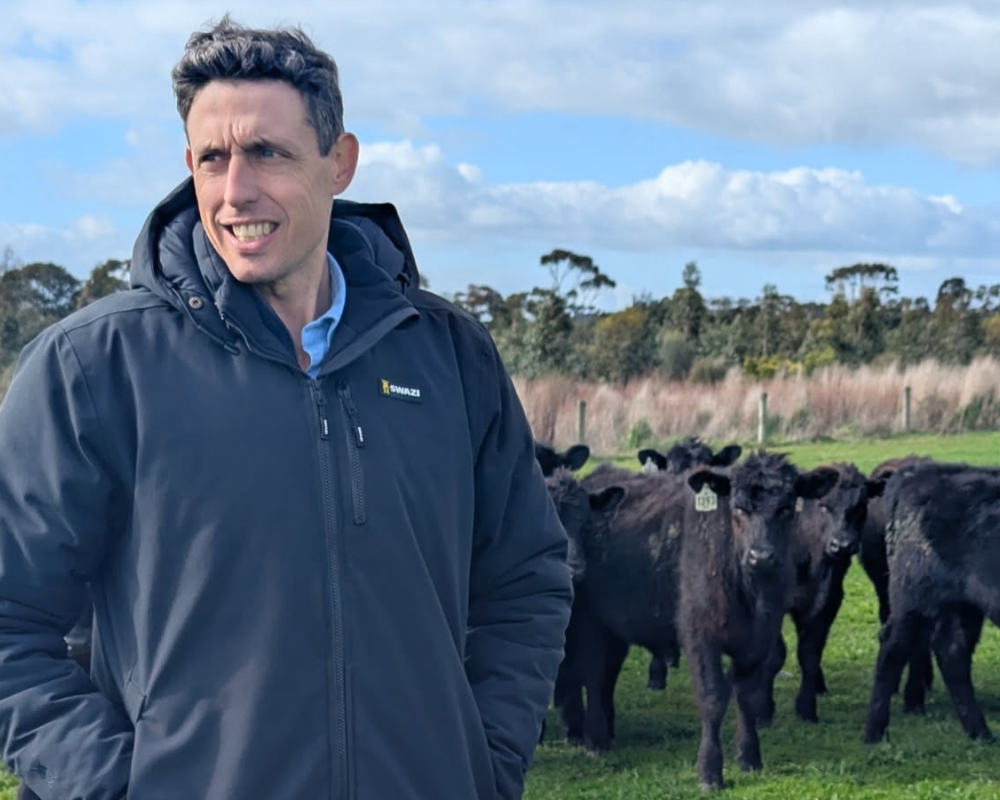
In September 2024, Tom Polkinghorne was announced as the NRCT-sponsored Nuffield Scholar for 2025. The $40,000 bursary from NRCT allowed Tom to study how livestock producers, under increasing pressure to be productive and efficient, can rise to this challenge while achieving environmental outcomes. Tom has now completed his scholarship – read all about it below.
My Nuffield scholarship, supported by NRCT, has been an inspiring, transformational and highly thought-provoking experience.
The scholarship commenced in September 2024 in Launceston, where I was awarded my scholarship at the Nuffield Australia National Conference by NRCT board member Hugh Stewart, who I was delighted to share a couple of days of my individual scholarship travel with earlier this year.
In March 2025, I joined 90 Nuffield scholars in Auckland at the Contemporary Scholars Conference, and in May-June 2025 I undertook my Global Focus Program component of the scholarship with five other scholars from Australia, Canada and Chile. This was a 6-week intensive study tour to Singapore, Qatar, Belgium, France, Ireland and Brazil during which we visited 85 different farms, government departments, tertiary institutions, advocacy groups, wholesalers and agricultural processors.
I undertook the final component of my scholarship in the first half of 2026, which was individual travel to New Zealand (North Island), Canada (Alberta and Saskatchewan, the US (Montana and California) and western Victoria.
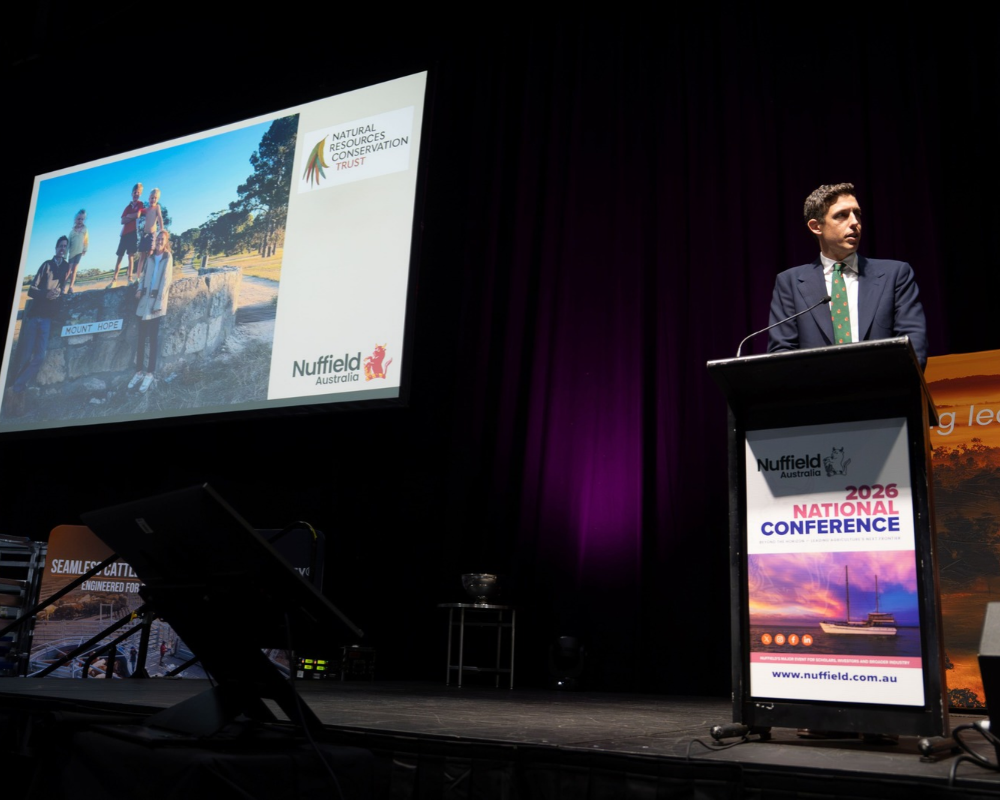
The 2026 Nuffield Australia National Conference was held in Darwin in September, where I gave a short presentation on my scholarship findings. In summary, my findings include a strong need to focus on the ‘win-wins’ of sustainable intensification, being investments which provide both a productivity and environmental benefit. The benefits, costs and risks with virtual fencing was another learning, and I will soon be trialling 100 virtual fence collars in my own cattle operation.
My final scholarship report is currently going through Nuffield alumni review and will be publicly released in the near future. I look forward to sharing this report and discussing my findings with the NRCT board and community.
Looking back, undertaking the Nuffield program has been a major undertaking involving a significant investment in time committed to the 17 weeks of travel, and in financial resources. That said, I can say with complete confidence that the benefits from the experience will accrue in the short and long term.
In the short term, benefits may accrue from the adoption of new technologies such as virtual fencing or a novel way of spreading pasture seed which I saw in Canada, called “faecal seeding”. In the medium to long term, I expect that I will benefit from improved leadership skills, strategic thinking and a much broader understanding of global agricultural production systems.
However, perhaps the most powerful benefit that flows from undertaking a Nuffield scholarship is the relationships formed over the course of the scholarship experience. Underpinning these relationships is one of Nuffield’s core values, being reciprocity, which refers to a universal understanding the scholars will “give back” and share their knowledge, time and hospitality into the future. In this respect, I’m excited about a future of living the value of reciprocity by sharing my knowledge, experiences and thoughts with not only NRCT but also the wider agricultural and conservation communities.
Finally, I would like to express my sincere gratitude to the NRCT, particularly Les McLean and Hugh Stewart, for supporting my scholarship; I am incredibly grateful for the opportunity to have undertaken a Nuffield scholarship.
Celebrating 40 years of Landcare at the Victorian Landcare Forum
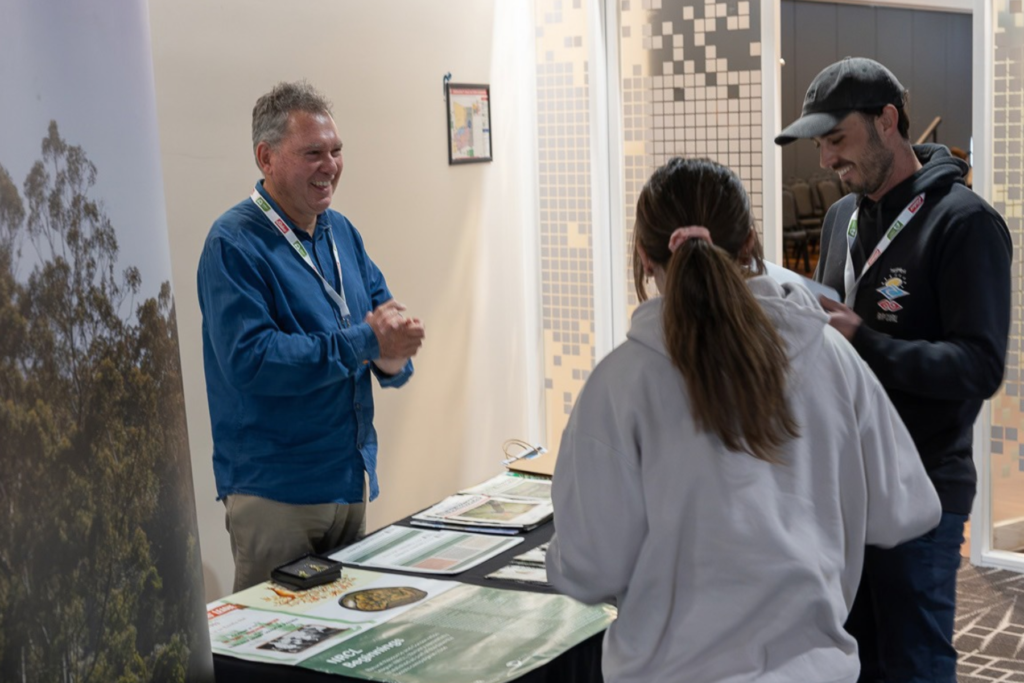
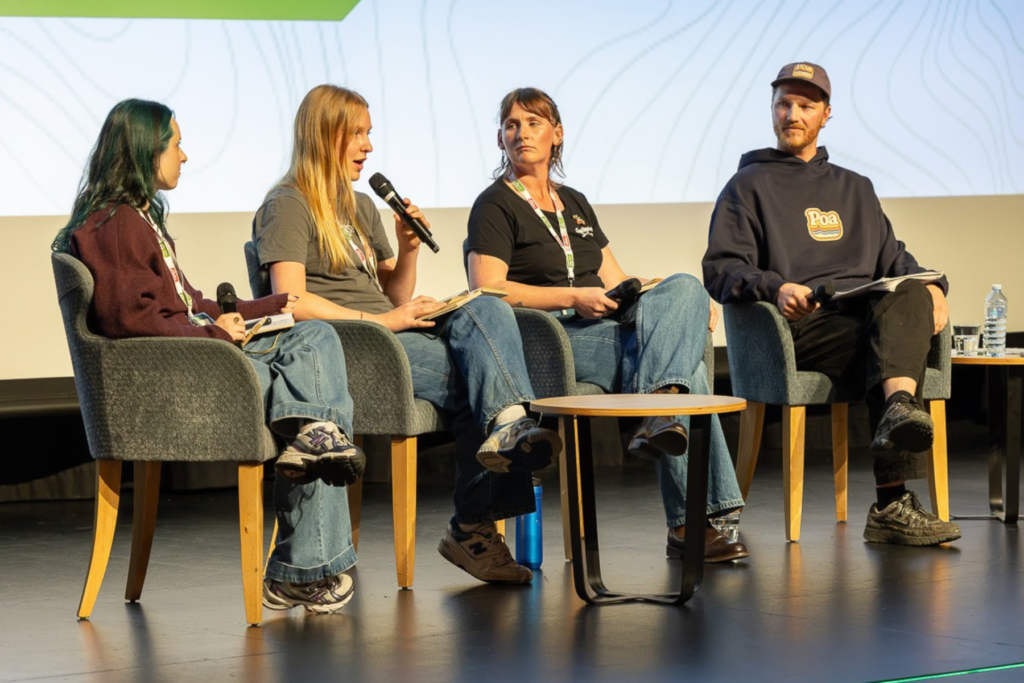
The Trust was proud to sponsor the 2026 Victorian Landcare Forum, hosted by Landcare Victoria Inc. in Pakenham in September. Bringing together around 250 people from across the state, the forum marked 40 years of Landcare in Victoria.
Landcare volunteers and professionals came together to share ideas, knowledge and experience, while celebrating the people and projects caring for Victoria’s land, waterways and natural environment.
The engaging and informative program highlighted the remarkable work underway in communities across Victoria. It also gave attendees the opportunity to learn from one another, strengthen connections and reflect on four decades of collective action.
The Trust is pleased to support the Landcare movement and the dedicated people making a meaningful difference on the ground every day.
Introducing Jennifer Wolcott
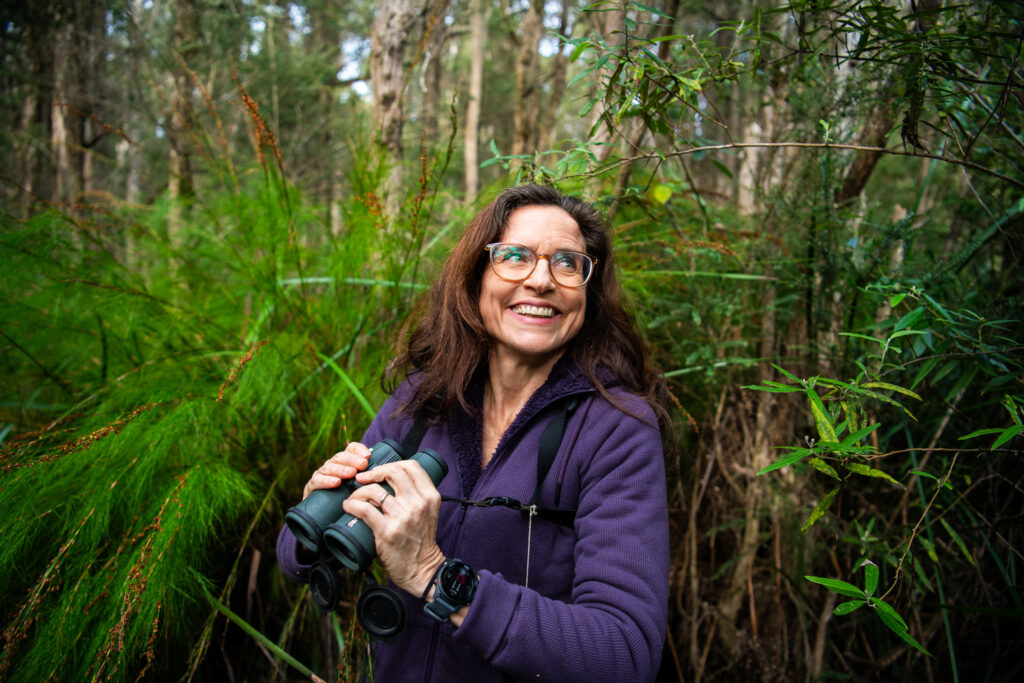
Over the next few editions of Our News, Naturally we will be introducing some of the Natural Resources Conservation League’s new directors – starting with Jennifer Wolcott. Hear from Jennifer below.
Many years ago, I graduated from the University of Melbourne with a degree in Forest Science. My career and interests continue to center around our unique natural landscapes and how we can better manage and sustain them.
I have had a long career in the Victorian public sector focused on environmental and natural resources public policy, legislation and strategy and related fields like regional development. As well as various government departments, I have enjoyed working in agencies such as the Environment Protection Authority and Parks Victoria.
My later career has included sitting on a number of expert advisory bodies such as the Victorian Environmental Assessment Council and as a director on government boards such as the Board of the Royal Botanic Gardens. I am currently a director of the North East Catchment Management Authority.
I have a keen interest in the history and evolution of environmental management in Victoria. I am continuing to learn from First Nations people about how they have and continue to care for Country. After many years focused on public land management, I have a growing interest in private land conservation. I have been a director/trustee of Trust for Nature. My husband and I own and manage two covenanted conservation properties, working with local landcare and community groups which has given me a hands-on appreciation for the challenges of conservation.
I have long admired the work of the Natural Resources Conservation League, and now the Natural Resources Conservation Trust, particularly how the League has evolved to meet current environmental challenges. I look forward to contributing to the NRCL Board.
WELA scholarship recipients
The Natural Resources Conservation Trust was proud to once again sponsor the Women’s Environmental Leadership Australia’s (WELA) National Leadership Program in 2026. Through this support, Maggie McDonald and Anna Chahuneau have been awarded scholarships to complete the Program – an achievement we’re proud to have helped make possible. For the spring newsletter, we invite you to learn more about Maggie.
Maggie McDonald is a wetland ecologist who bridges science, landscape and community, with a strong focus on building genuine, lasting relationships. Raised on a mixed farm in south-western NSW, she has a deep connection to the landscapes and wetlands that continue to shape her work.
Maggie brings experience in socio-ecological practice across the Murray Darling Basin and the Northern Territory, working alongside First Nations communities, rural farming communities, and government agencies.
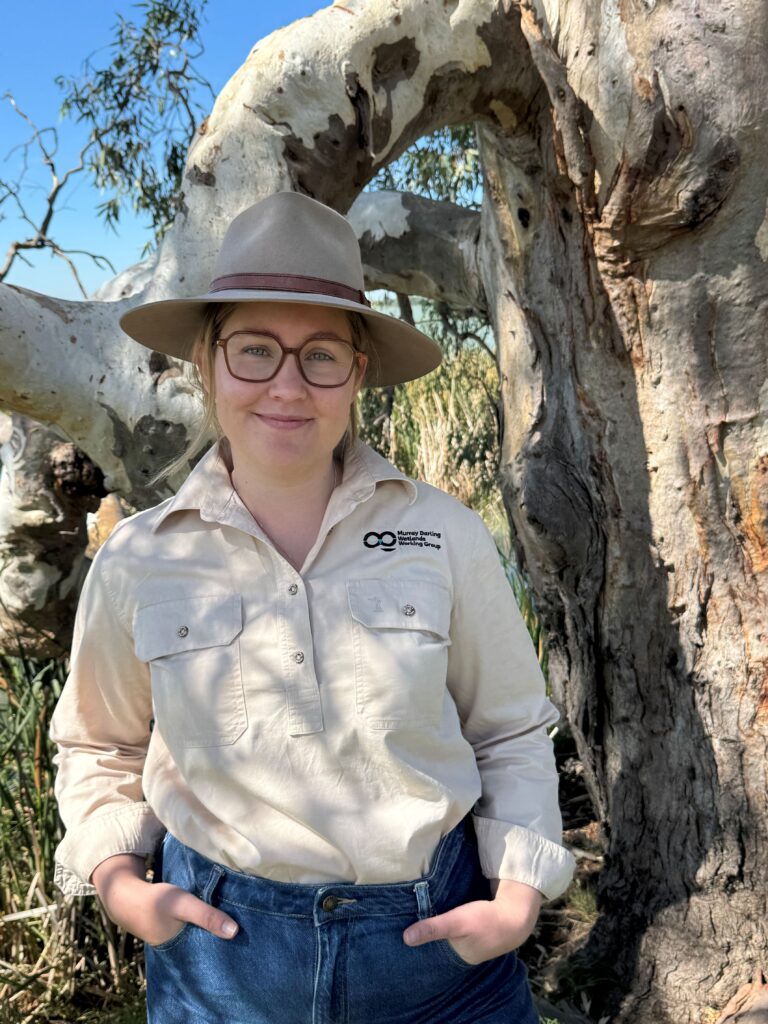
She holds a Bachelor of Environmental Science from RMIT and is an Environmental Water Manager at the Murray Darling Wetlands Working Group (MDWWG), where she is currently leading a socio-economic impact accounting project.
As part of the emerging Young Voices for the Basin group, Maggie contributed to a submission to the current Murray Darling Basin review. She has represented both the group and the MDWWG at Murray Darling Basin Authority summits, helping connect grassroots communities with state and federal decision-makers.
Maggie is grateful to the Natural Resources Conservation Trust for supporting her place in WELA’s National Leadership Program 2026. She has found the program nourishing, supportive and expansive, and the relationships and professional connections she has formed will stay with her throughout her career and life.
VicBioCon 2027
VicBioCon is an annual, not‑for‑profit conference that brings together students, researchers, practitioners, and community members to share and celebrate biodiversity research and conservation work from across Victoria. It’s a welcoming space to learn, connect, and collaborate to protect the natural systems that matter most.
VicBioCon27 will be held at La Trobe University’s Bundoora campus from 16–19 February 2027 and for the first time, will run across four days.
For more information about the event, including the program, visit the VicBioCon website.
In 2026, the Trust sponsored two of the conference’s grants – the Research Grant, and the Bushland Conservation Grant.
The 2026 Research Grant was awarded to Rhys Healy from Federation University for: “Holes to Recovery: Investigating Hollow Resources and Occupancy at the Limit of their Species Range”.
The 2026 Bushland Conservation Grant was awarded to Lauren Haylen from La Trobe University for: “Revitalising Revegetation Sites: Investigating Methods to Generate Recruitment and Restore Greater Ecosystem Functioning to Revegetation Sites”.
We look forward to hearing about their research findings at VicBioCon27.
Trust attends ALCA Conference
As one of Australia’s most significant events for the land conservation sector, the Australian Land Conservation Alliance (ALCA) Conference is where the critical conversations, partnerships and ideas driving nature action come together.
The 2026 ALCA Conference in Hobart brought together over 400 delegates including conservation changemakers and practitioners, First Nations land managers, policymakers, researchers, business, finance and industry experts, landholders and community representatives – all working to drive collective impacts for nature, people and planet.
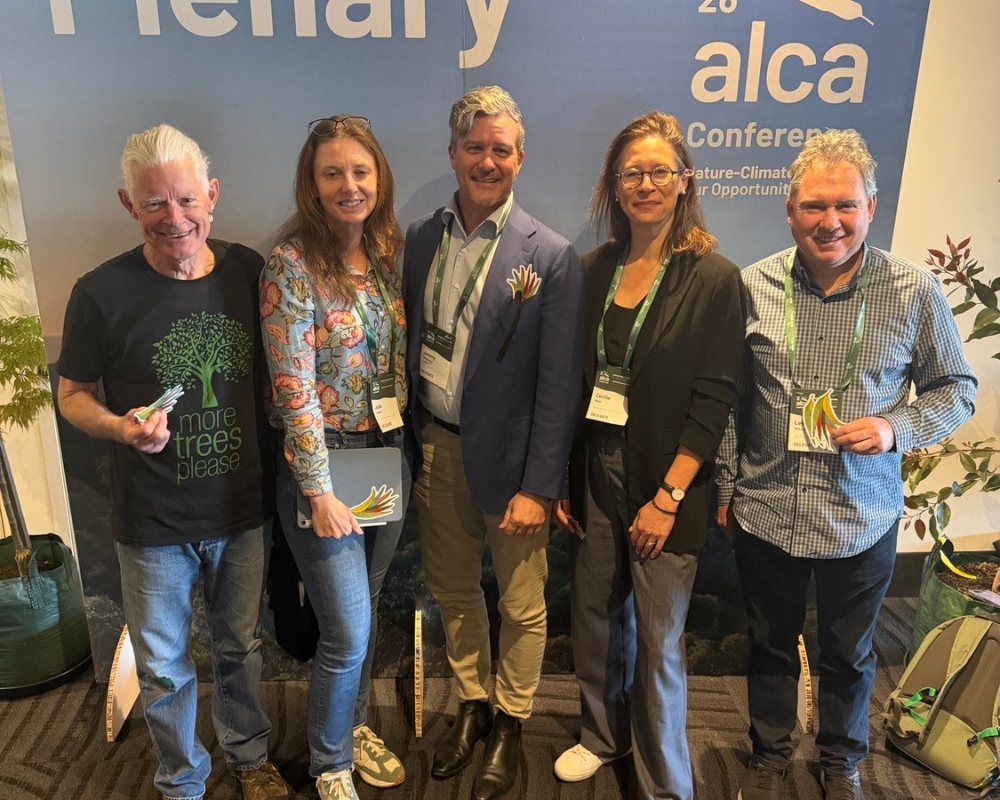
The conference was a big success, and the Trust was well represented by Executive Officer Les McLean, Chair Julia Hunter and directors Andrew Mahar, Jeremy Cheesman and Cecilia Riebl (pictured below).
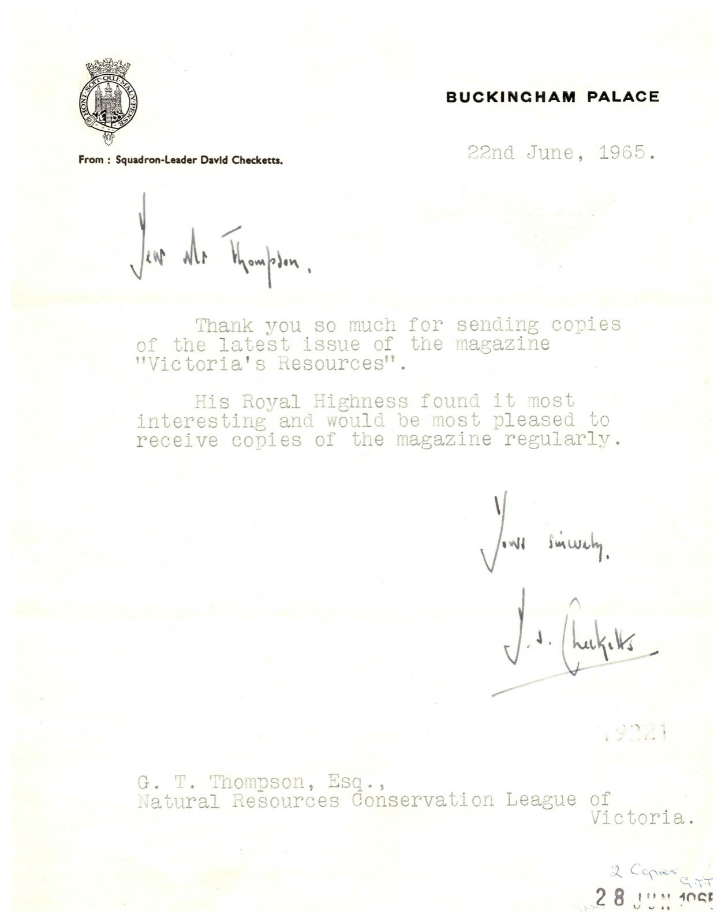
Looking Back - A letter from the Palace
The Natural Resources Conservation League’s quarterly publication Trees and Victoria’s Resources was read all over the state, the country and overseas.
The NRCL 1965 Annual Report noted that the magazine “receives commendation from many readers in this country and overseas” and that it is frequently quoted in daily and weekly papers.
The report goes on to say, “The League can in fact be proud of its magazine. It is supplied to all League members and the organisations they represent, to Members of Parliament, farm members and associates, to all secondary schools and free libraries, as well as to a wide circle of interstate and overseas addresses” – including His Royal Highness Prince Philip, the Duke of Edinburgh!
In 1965, the Natural Resources Conservation League received the below letter – acknowledging the receipt of the magazine, from His Royal Highness Prince Philip, the Duke of Edinburgh to the Natural Resources Conservation League Director and Secretary, G.T. Thompson.
If you would like to read the magazine, or other NRCL publications, many are now available to view online through the State Library of Victoria.